
Sometimes restoration isn’t needed in a project. The Chapel at La Casa Cappellina is a prime example.
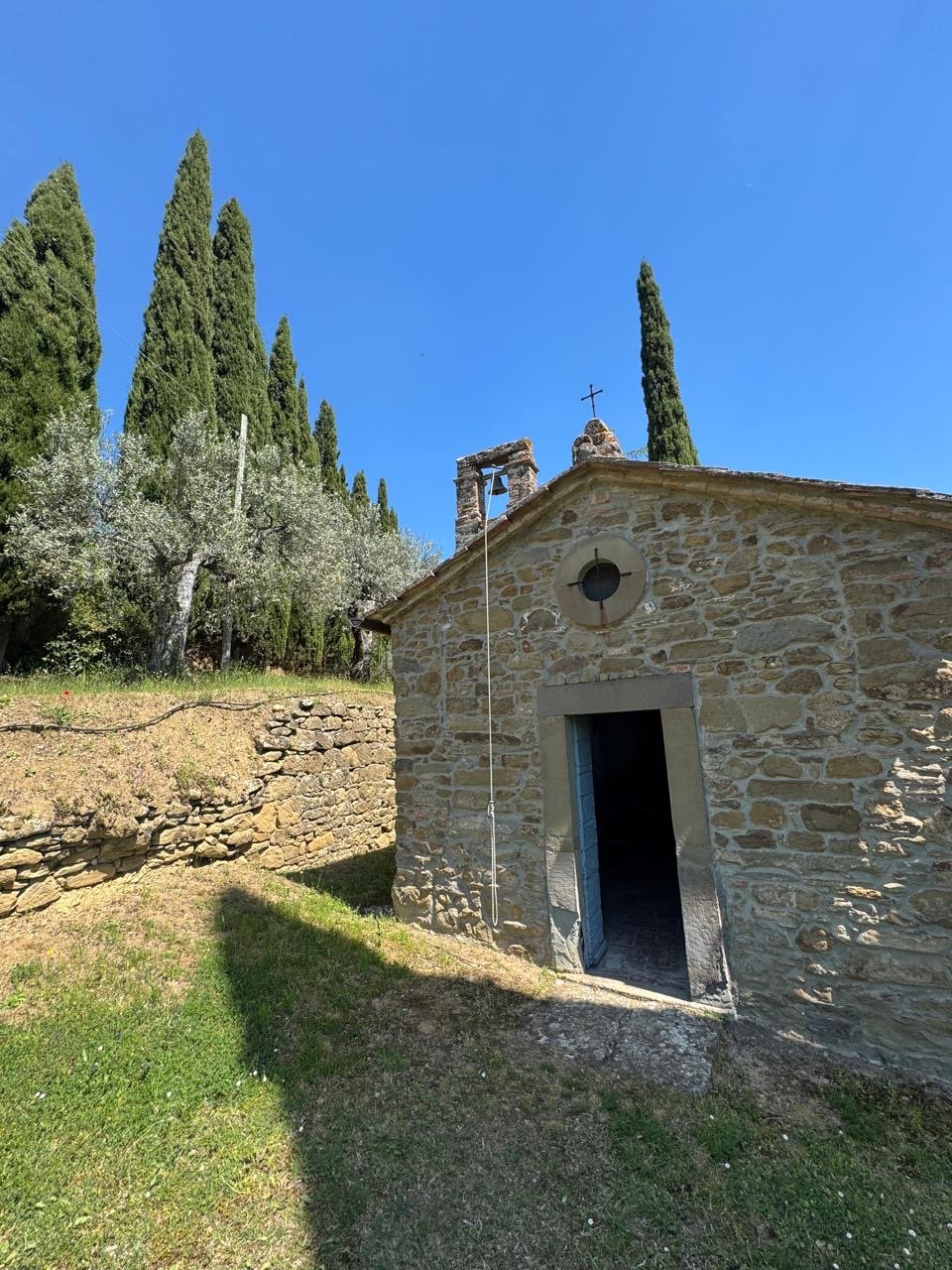
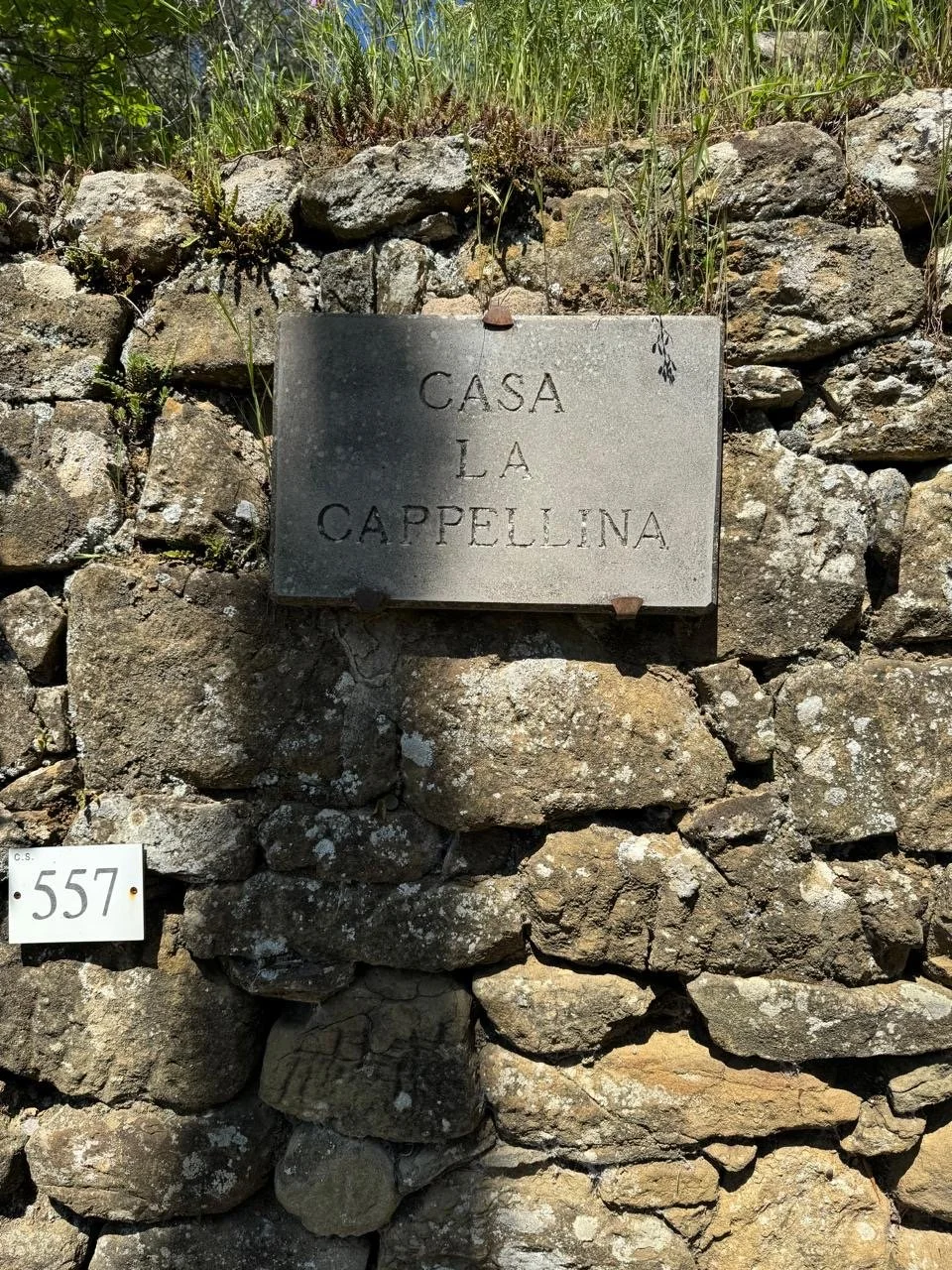
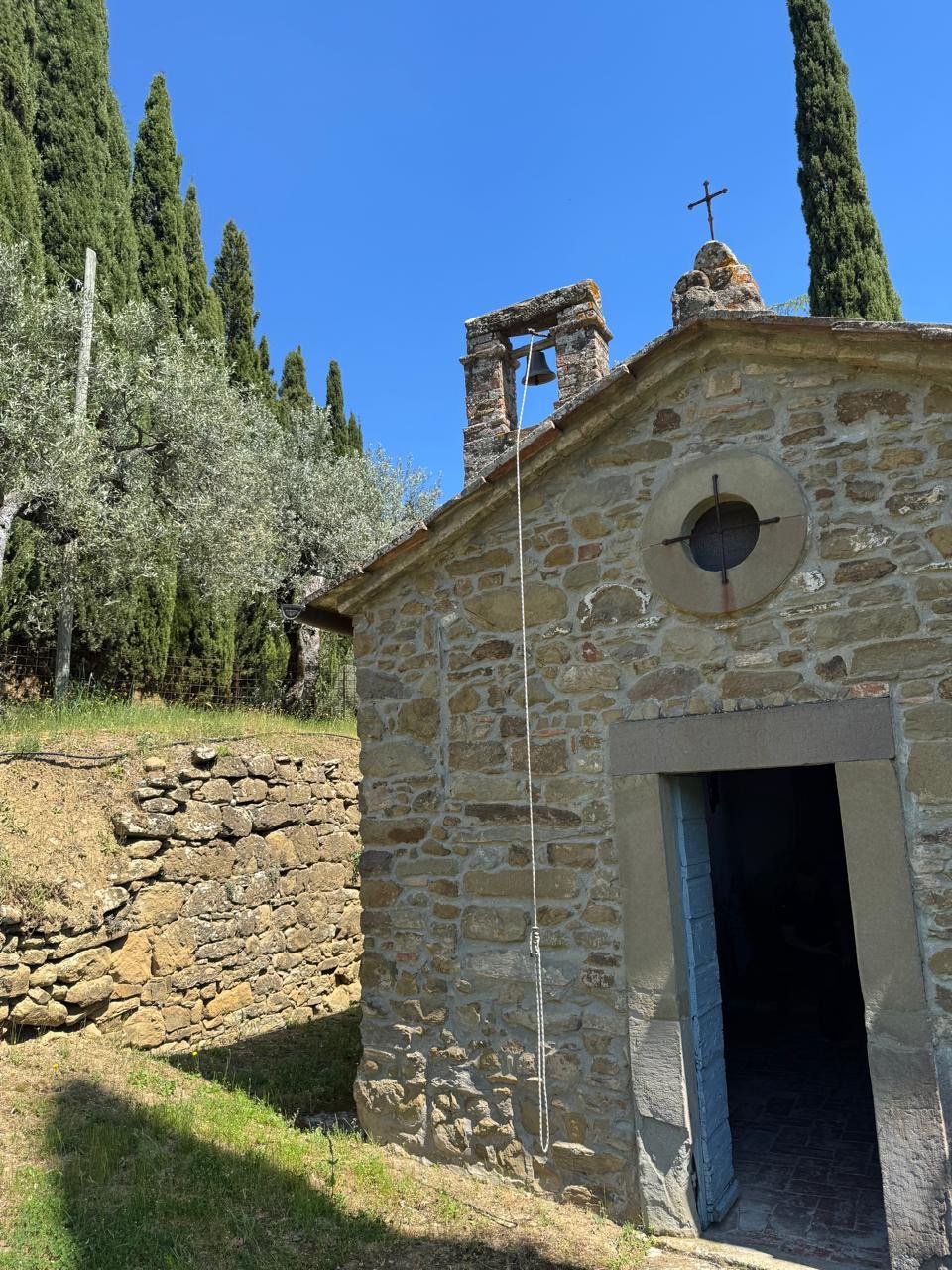
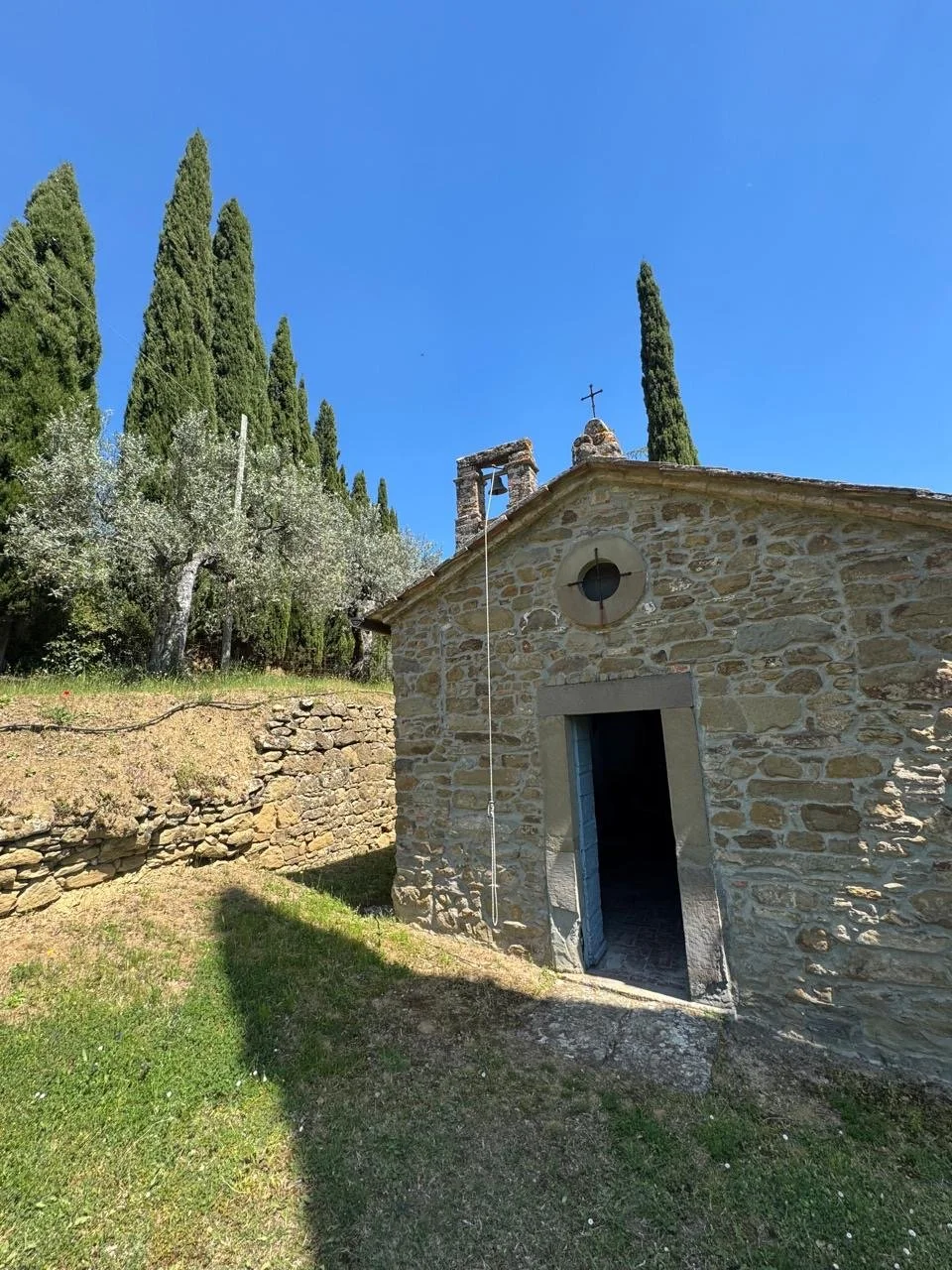
A small chapel sits at the heart of La Casa Cappellina and was already old when they built the farmhouse around it. The Philippi Passerini family commissioned it for pilgrims on the old road south to Rome, and they consecrated it in 1582 and dedicated it to San Francesco d'Assisi; nearly three hundred years later, when the farmhouse was built in the mid-nineteenth century, the house took its name from it. Cappellina means little chapel, and we’ve always liked that the name makes it clear which building came first.
We bought the property in May 2025 after it had been left to itself for several years, and the first months went on the unglamorous business of making it habitable again: coaxing the heating and hot water back into life, giving the original terracotta floors a new surface and seal, and cutting back an olive grove that had crept right up to the walls. A house in that condition puts every surface on trial, and after thirty years as an architect, as Charles has, from Foster & Partners in Frankfurt to ten hectares of public space for Expo 2020 in Dubai, the instinct to diagnose and fix runs very deep.
The chapel was where that instinct met its match. Walk in on a late afternoon, and the light comes in low and tawny, falling across walls patched, limewashed, and patched again by generations of hands, none of them quite matching the last. The plaster has the soft, uneven bloom that lime takes on over centuries, and the stone at the threshold has been worn down by people stepping in and out of the sun. You could restore all of that. You could strip it back, make good, render it smooth and true and bring in someone to paint it the colour it was in 1582, if anyone could tell you what that was, and you would end up with a very convincing replica of a chapel standing on the spot where a real one used to be.
It’s an old argument, and we sit firmly on one side of it. In the nineteenth century, the French architect Viollet-le-Duc believed that restoring a building meant returning it to a state of completeness that might never have existed, and he worked on Notre-Dame, Vézelay and Carcassonne in that spirit. Ruskin thought restoration was the most complete destruction a building could suffer, a lie told about the past, and William Morris founded the Society for the Protection of Ancient Buildings in 1877 on the principle that old buildings should be repaired with the lightest possible hand and never rewritten. Italy has spent the century since arguing the same question in its own conservation charters and parish churches, and anyone who has stood in a Tuscan church where the frescoes were left faded rather than repainted will know the pull of the version that hasn’t been tidied up.
Leaving something alone is rarely the same as doing nothing, of course. A roof has to keep the rain out, water has to be kept away from the foot of old walls, and anything genuinely failing needs to be made sound with lime rather than cement, which traps moisture and can do more harm in twenty years than neglect did in fifty. That work matters enormously, and if we do it properly, you won’t be able to see where we did it. We won’t iron out four and a half centuries of people using a building, because those marks are why anyone would want to sit in it.
The full restoration and extension of La Casa Cappellina begins in 2027, and you'll see plenty along the way, from the first drawings to new rooms and a house brought properly back to life. The harder calls on a project like this are rarely about what to add, though. They come when you recognise that time has already finished part of a place, and you have to put the drawings down and walk away. When the work is done, guests will be able to push open the chapel door on a summer evening, as the pilgrims did on their way to Rome, and find it much as we found it, with the swifts circling outside and every old repair still showing on the walls.