
What Actually Happens, Stage by Stage
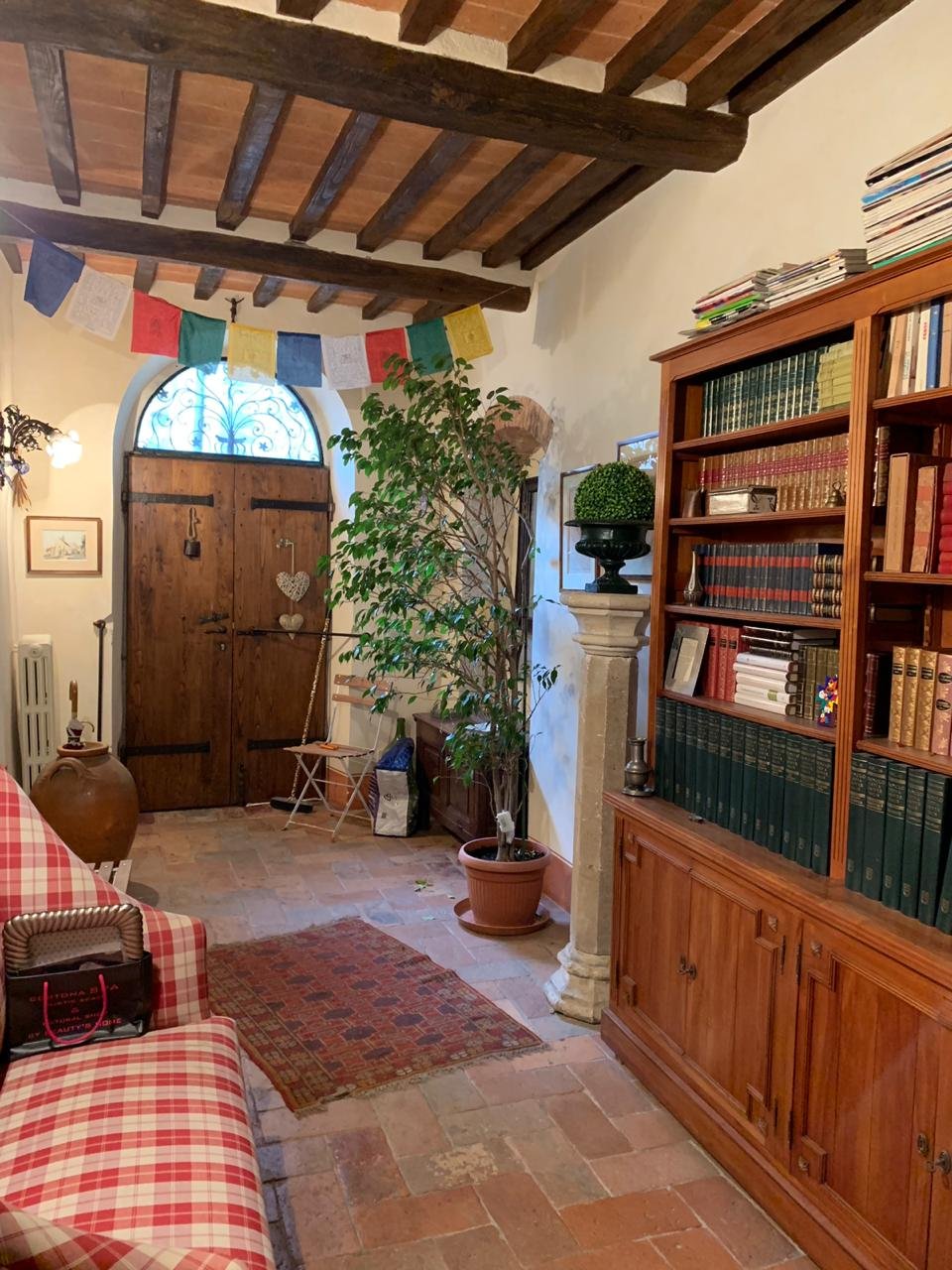
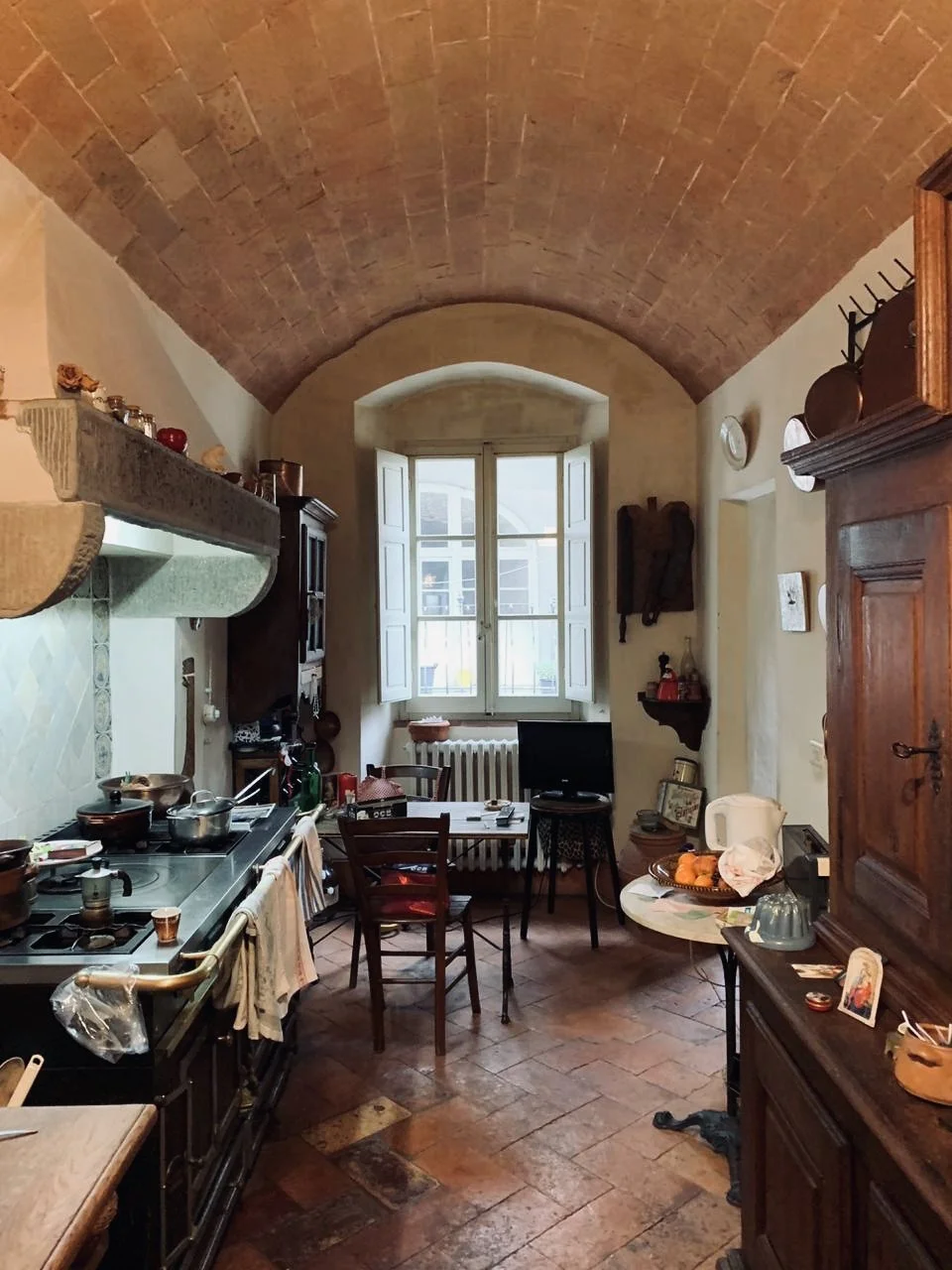
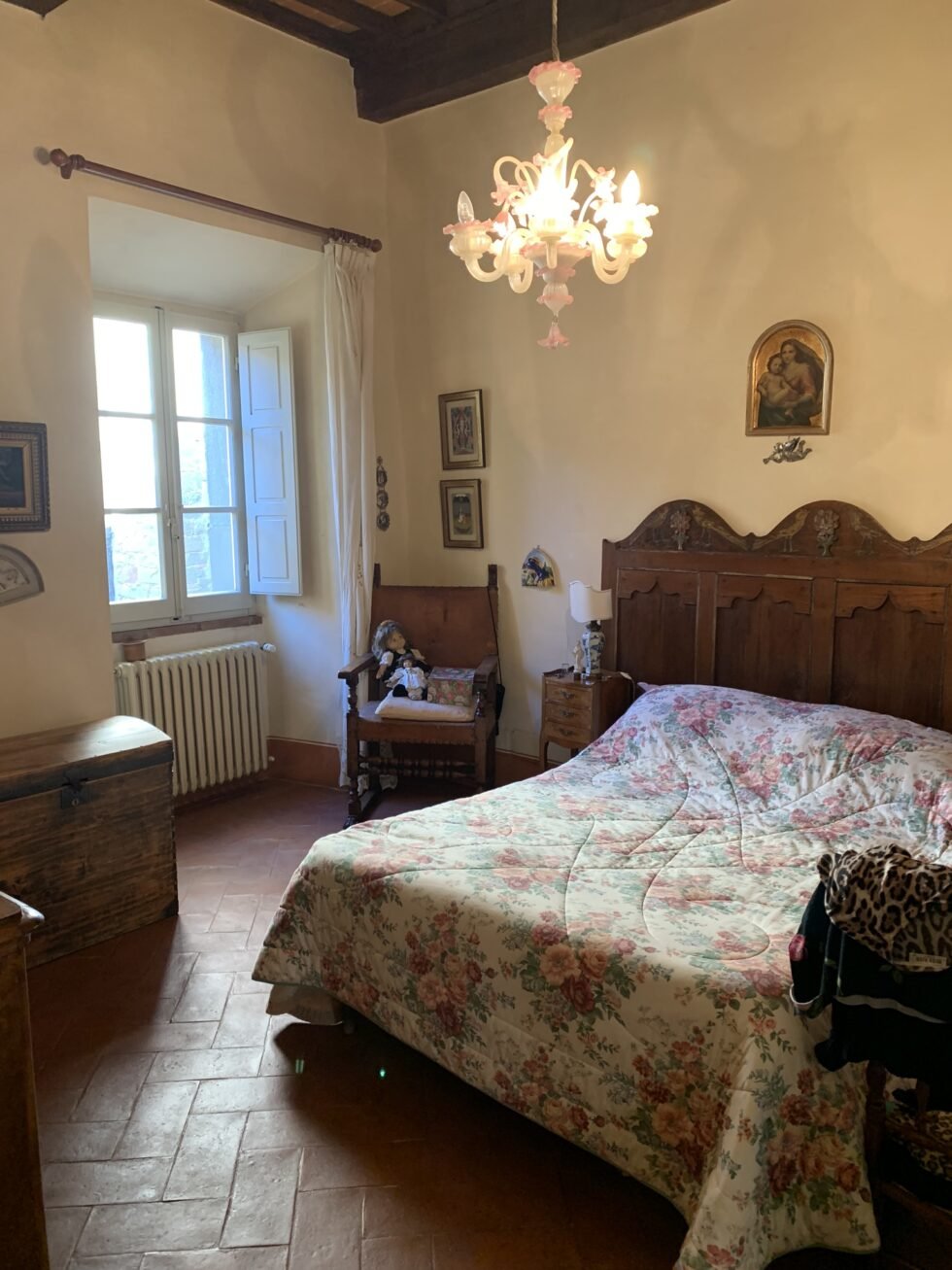
Most people who fall for a ruined casale in the hills above Cortona hear the same advice from a friend who’s done it: allow twice as long as you think. It is good advice, but it doesn't tell you where the time goes. Having taken Palazzo Passerini in Cortona from a bare stone shell to a finished house over two years, and with La Casa Cappellina's full restoration planned for 2027 to 2028, we have a clear picture of the sequence and of the points where projects tend to stall.
What follows is the order of work on a typical restoration of a historic house in Tuscany or Umbria, with realistic timescales for each stage. A small, sound townhouse moves faster; a listed farmhouse with outbuildings, a change of use and a collapsed roof moves slower. As a working rule, plan for 18 months to 3 years from purchase to moving in for a serious restoration.
Stage 1: Before you buy (one to three months)
The most expensive mistakes happen before the notary signs the deed. Before committing, have a geometra or architect check that what you are buying matches the land registry plans and planning records, because unauthorised extensions and conversions are common in rural Tuscany and can become your problem on completion. You also want a first read on whether the building is listed, whether it sits in a landscape protection zone, and whether an agricultural building can legally become a house. We cover the checks in detail in our guide to buying a property to restore as a foreigner.
This is also the time to set a rough budget. A walk-round with someone who has costed restorations before will tell you more than any estate agent's brochure, and it may tell you to walk away.
Stage 2: Survey and measured drawings (two to three months)
Once the house is yours, everything starts with an accurate survey: measured drawings of every floor, the roof, and the elevations, plus a record of the structure. On old stone buildings this means understanding how the walls were built, where the timber is sound and where it isn't, what lies under later plaster, and what has been altered over the centuries.
On a historic house, the survey is also a kind of archaeology. At Palazzo Passerini, built in the 1490s on Etruscan foundations, the stripping-out revealed original terracotta floors and painted decoration that shaped the whole design. [CHARLES: one or two sentences on what the survey revealed that changed the plan.]
In a seismic region, which covers most of inland Tuscany and all of Umbria, a structural engineer also assesses the building's behaviour in an earthquake at this stage. That assessment decides how much consolidation the walls, floors and roof will need, and it is often the single biggest variable in the budget.
Stage 3: Design (two to four months)
With the survey done, the architect develops the design. On a restoration, the best work starts from what the building already wants to be: where the light falls, which rooms were meant to be grand and which were for storing grain, where a staircase can go without cutting through a vaulted ceiling. Charles's approach at Planet 9 is to work with the building's own logic and materials, which usually means fewer new openings, reclaimed or local materials, and keeping original floors, beams and plaster wherever they can be saved.
This is also when you decide what's hard to change later: heating (underfloor under terracotta works well, but it must be planned now), bathrooms and drainage runs, kitchen position, and whether to add a pool, which in rural Tuscany needs its own permission.
Stage 4: Permissions (one to six months, sometimes more)
No meaningful work starts until the paperwork is in place, and buyers most often underestimate this stage. The permit depends on what you are doing. Lighter internal work requires notification to the comune; structural work and restoration normally need an SCIA; significant changes, extensions, or a change of use from agricultural to residential require a full building permit. If the building is listed, the Soprintendenza must also authorise the works, and it has up to 120 days to decide, a clock that stops whenever it asks for more documents. Structural work also needs sign-off from the regional seismic office.
Our guide to planning permission and heritage rules in Tuscany and Umbria explains each route. For timing, the useful point is that a straightforward SCIA can be running within weeks, while a listed building with a change of use can take six months or more before anyone lifts a tile.
Stage 5: Tender and appointing builders (one to two months)
With drawings and permissions agreed, the work goes out to builders. In Tuscany, the good ones book out a year or more in advance, and the skilled trades restoration depends on, the stonemasons, lime plasterers, and carpenters who can splice old beams, are in short supply. Material price adjustment clauses are now standard in contracts, which is worth keeping in mind when comparing quotes.
We work with a small circle of trusted builders and artisans around Cortona, Arezzo and Perugia, and with suppliers such as Busatti in Anghiari and Tosconova. Getting the right team is worth waiting a few weeks for.
Stage 6: Strip-out and structure (three to six months)
The first months on site are the least photogenic and the most important. Later additions come out, the building is propped, and the structural work begins: consolidating stone walls with lime mortar, tying walls together, strengthening or replacing floor structures, and dealing with foundations where needed. Anything salvageable, from terracotta tiles to old doors, is lifted, numbered and stored.
This is where surprises surface, which is why a contingency of 15 to 20 per cent is sensible on any old building.
Stage 7: The roof (two to three months)
A sound roof protects everything that follows, so it usually comes early. On a Tuscan farmhouse, that means chestnut beams, a layer of terracotta pianelle, insulation and ventilation, then relaid the old coppi tiles over new ones so the roof looks as it always did. Timing matters: a roof opened in November is a gamble.
Stage 8: Services and first fix (two to four months)
Once the shell is dry, the electricians and plumbers run new services. In thick stone walls this is slow work, and every chase has to be planned so it doesn't damage plaster or decoration worth keeping. Now they install heating, hot water, and, increasingly, heat pumps and solar.
Stage 9: Finishes (four to eight months)
This is the long, slow stage where a house becomes a home: lime plaster, relaid or restored terracotta floors, repaired stone, new windows and shutters, and fitted bathrooms and kitchens. At Palazzo Passerini, the bathrooms were finished in Carrara marble, the kitchen was handmade, and the original enamel bath was refurbished rather than replaced. Craftspeople work at their own pace here, and it is worth letting them.
Stage 10: Sign-off, furnishing and handover (one to two months)
The final certificates, the energy certificate, and the updated land registry entry formally close the project. Then comes the part everyone looks forward to: furniture, linens and the first night in the house.
How long does it take in total?
Adding up the stages gives roughly eighteen months for a straightforward project and three years for a complex one, with the permissions stage and the availability of craftspeople setting most of the pace. Palazzo Passerini took two years from shell to finished residence. La Casa Cappellina's restoration and extension is planned to start in 2027 and finish in 2028.
If you are weighing up a property, the next thing to understand is what it will cost: our guide to restoration and renovation costs per square metre sets out current figures.
Thinking of restoring a house in Tuscany or Umbria? Talk to Charles about your project.